Furry info
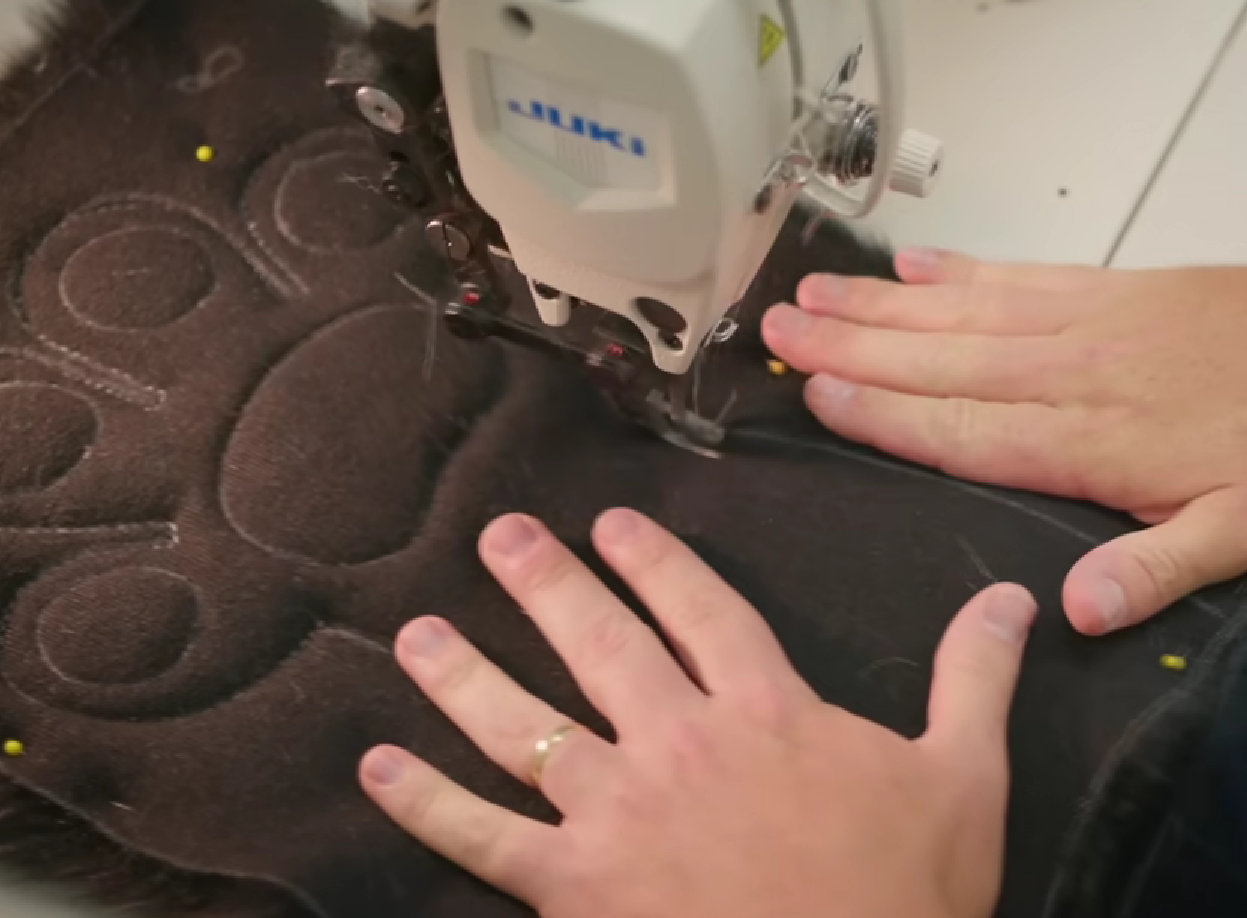
“Furries” are fans of anthropomorphic art – that is, art with characters who have traits of both humans and other animals. Over the past 40 or 50 years, these fans have banded together into a community much like fans of a TV show, music group, or sports team.
But furries have one big difference: Furries are fans of work they themselves create, not of cultural products that others created. Most furries have at least one “fursona” – a depiction of themselves as a different form, such as an (anthropomorphic) wolf or dragon. A fursona can show how you see yourself, or what you aspire to be, or what you want to see in others.
The “furry fandom” is large and growing. They gather online, at local meetups, and at (inter)-national “conventions”, the biggest of which host over 15,000 people over a long weekend. These events feature art marketplaces, dance competitions, classes, and lots of opportunities to socialise.
But you don’t need to attend a convention or create a fursona to appreciate the unique way “furries” allow new art forms to develop or new stories to be told. As Stichting Otterdam’s “Who we are” principles.
“Furry is social, psychological, and spiritual. It’s entertainment and participation. It’s a platform for creative expression; but it’s also walking down the street or sitting in a room. It’s seeing yourself and others in an interesting way. Stichting Otterdam celebrates all of these.”
Further information
- For parents and family members of furries: “Moms of Furries”
- For academics:
- Furscience (social researchers focusing on the furry fandom)
- Furry Studies conference
- “The Fandom”, a documentary about the furry fandom’s history
- Wikifur, an open-access knowledge database on furry topics